No products in the cart.
CECI EST UNE PIPE
Bend the matter to vision’s suggestions: it’s the principle where every creations is based, which continuously takes place in the bond beteween eye and hand, realism and utopia, functionality and delight.
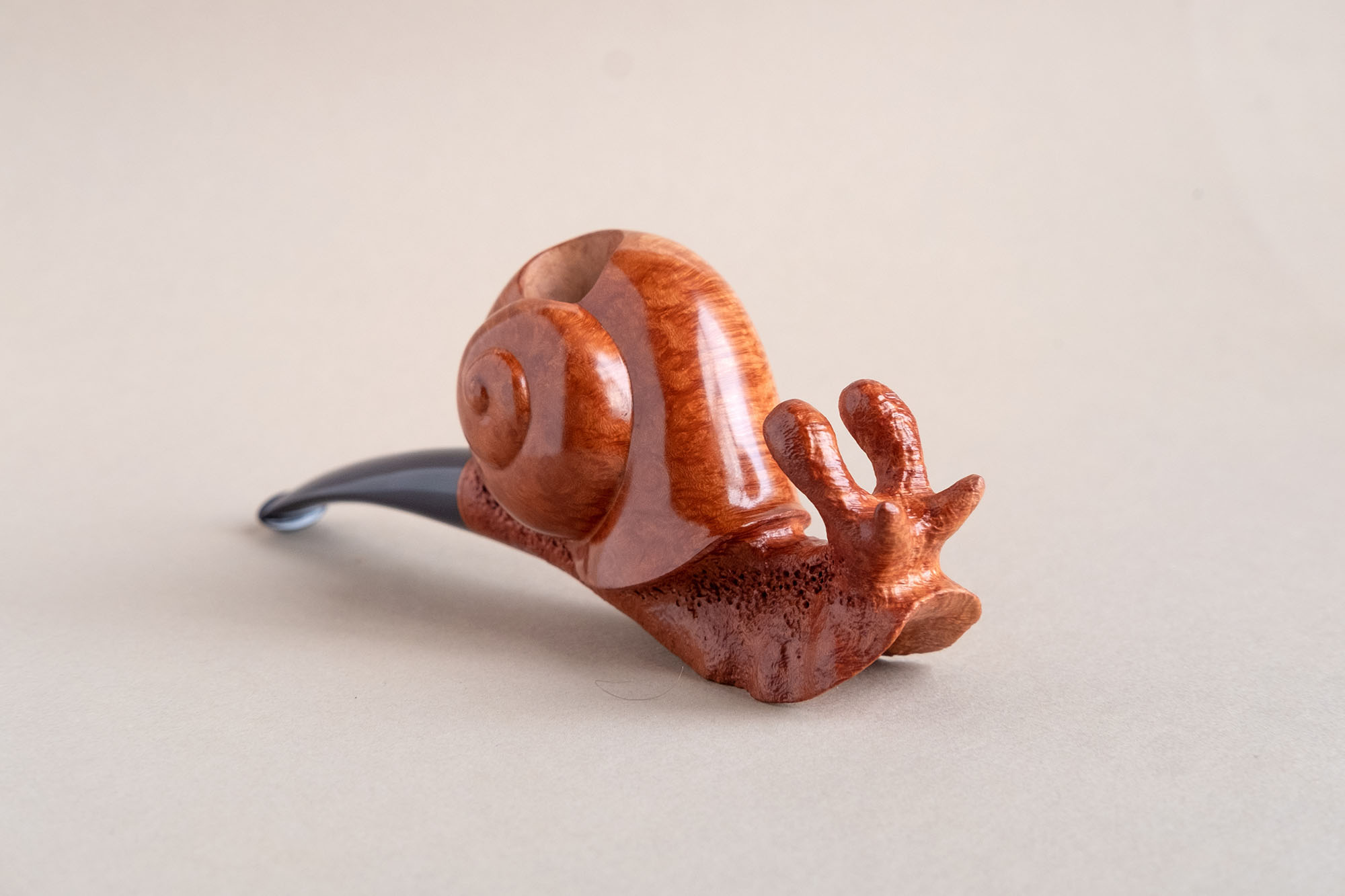
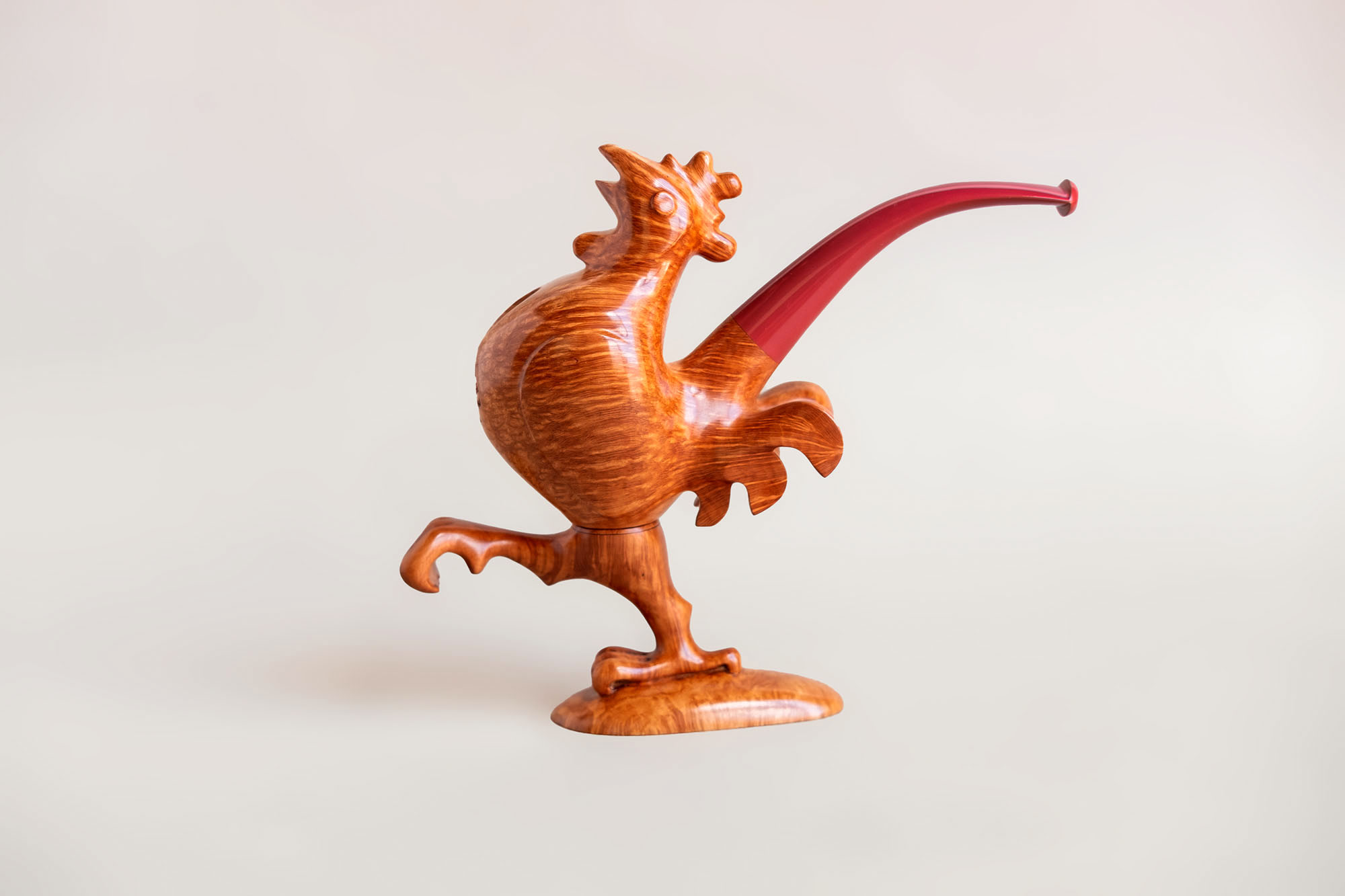
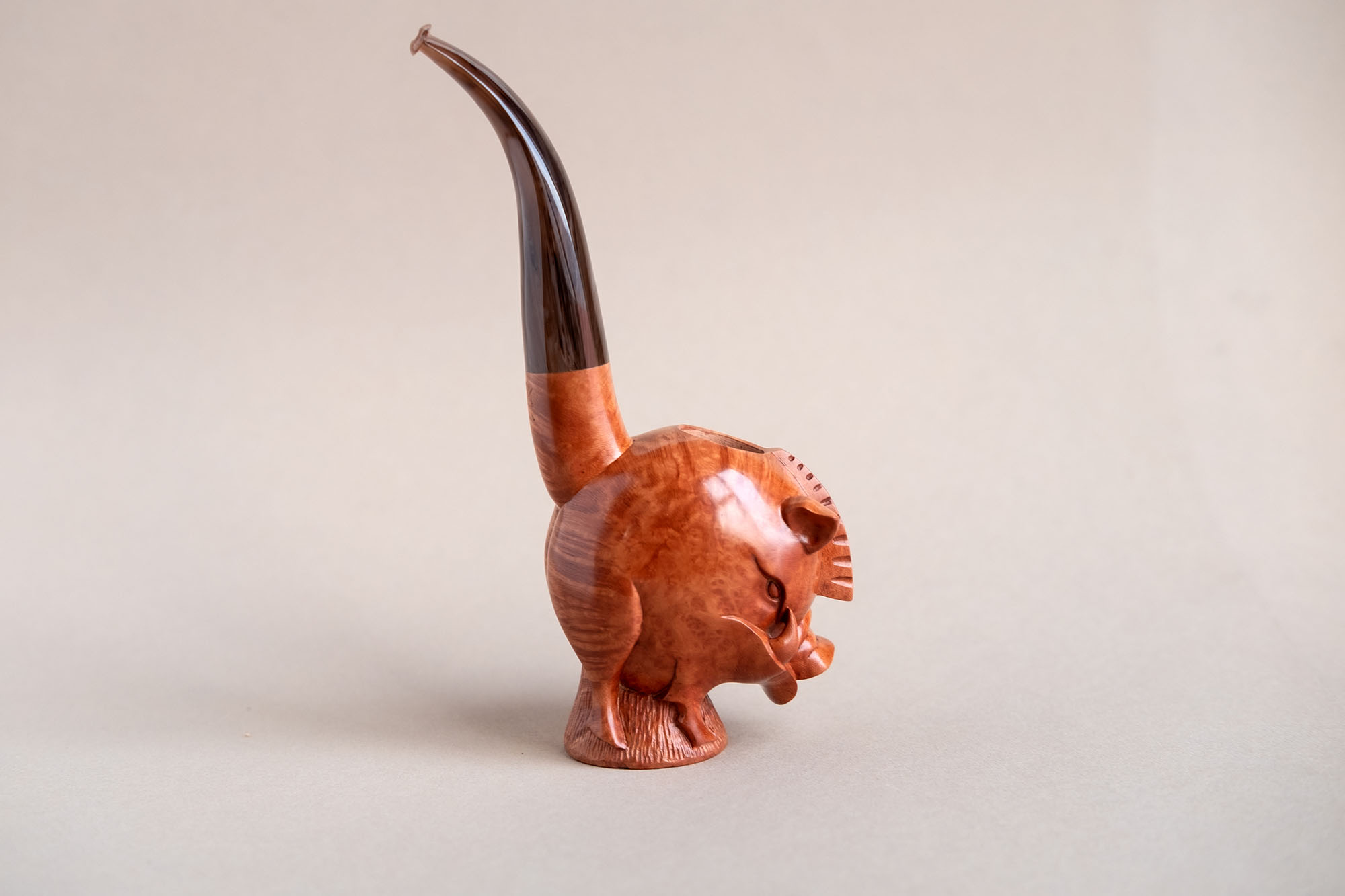
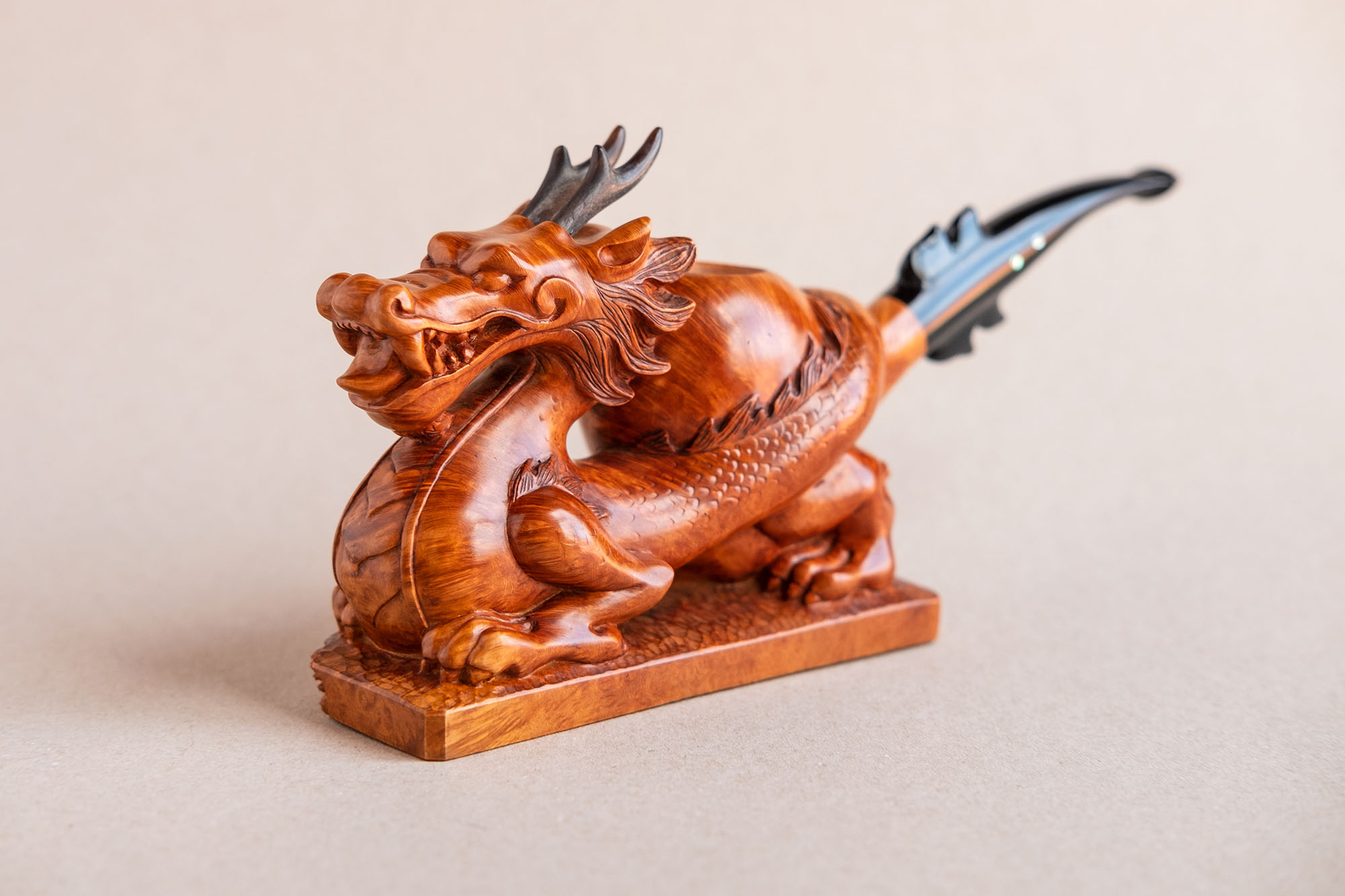
The poetry of Arcangelo Ambrosi’s smoking pipes has nuances of a surrealist riddle, that works in expected reality to combine with the unexpected one, there where the wood lets itself gently turn into carving imagination, of color and patina, almost regaining “motion and breath” of the time he was alive.
Ceci n’est pas une pipe?
To disturb the Magritte’s paradox, in this case, it is no longer the object’s figure, but the object itself.
Here is where the riddle of these smoking pipes is played, to whom Arcangelo Ambrosi responds with his skilful craftsmanship.
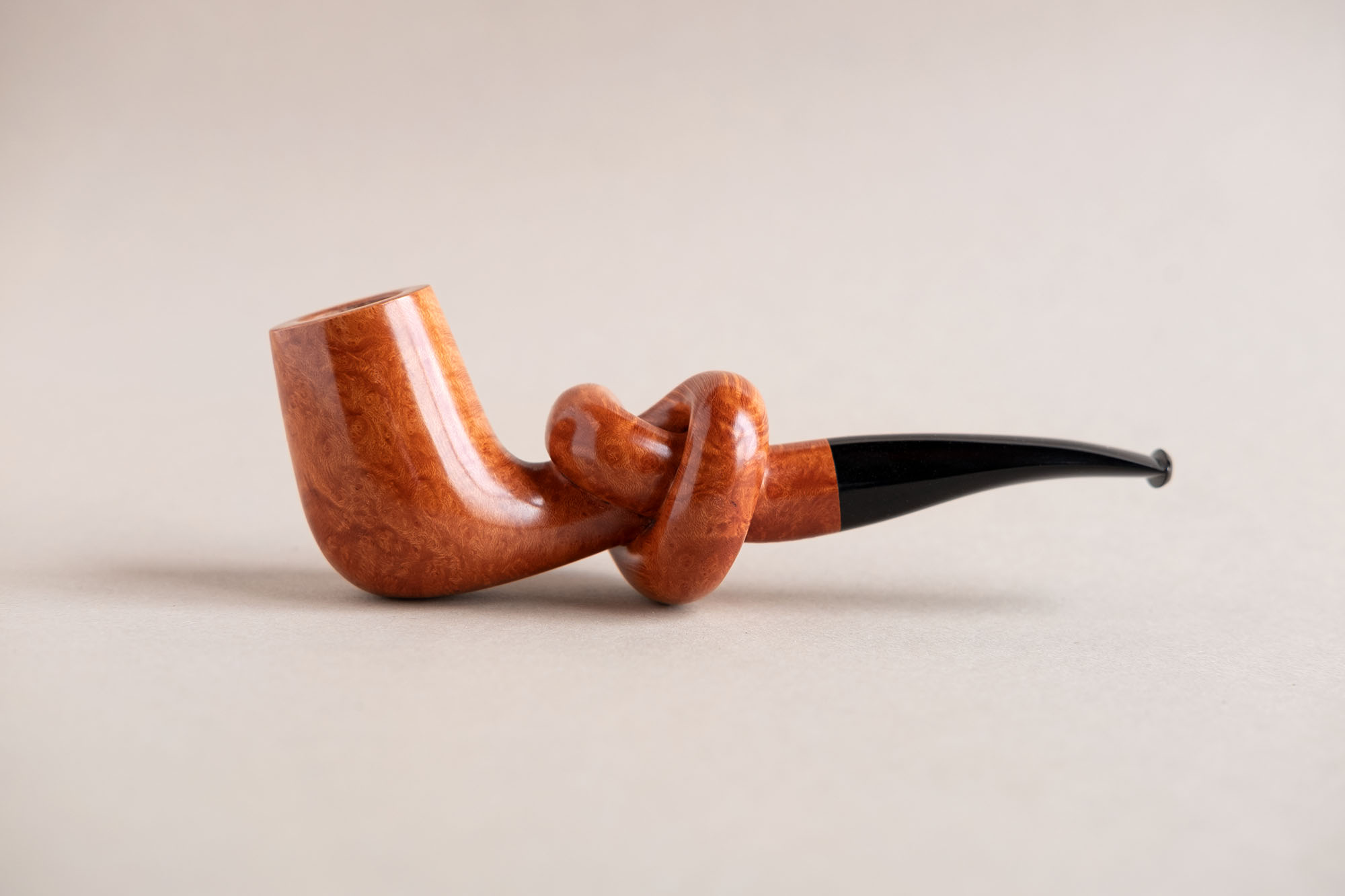
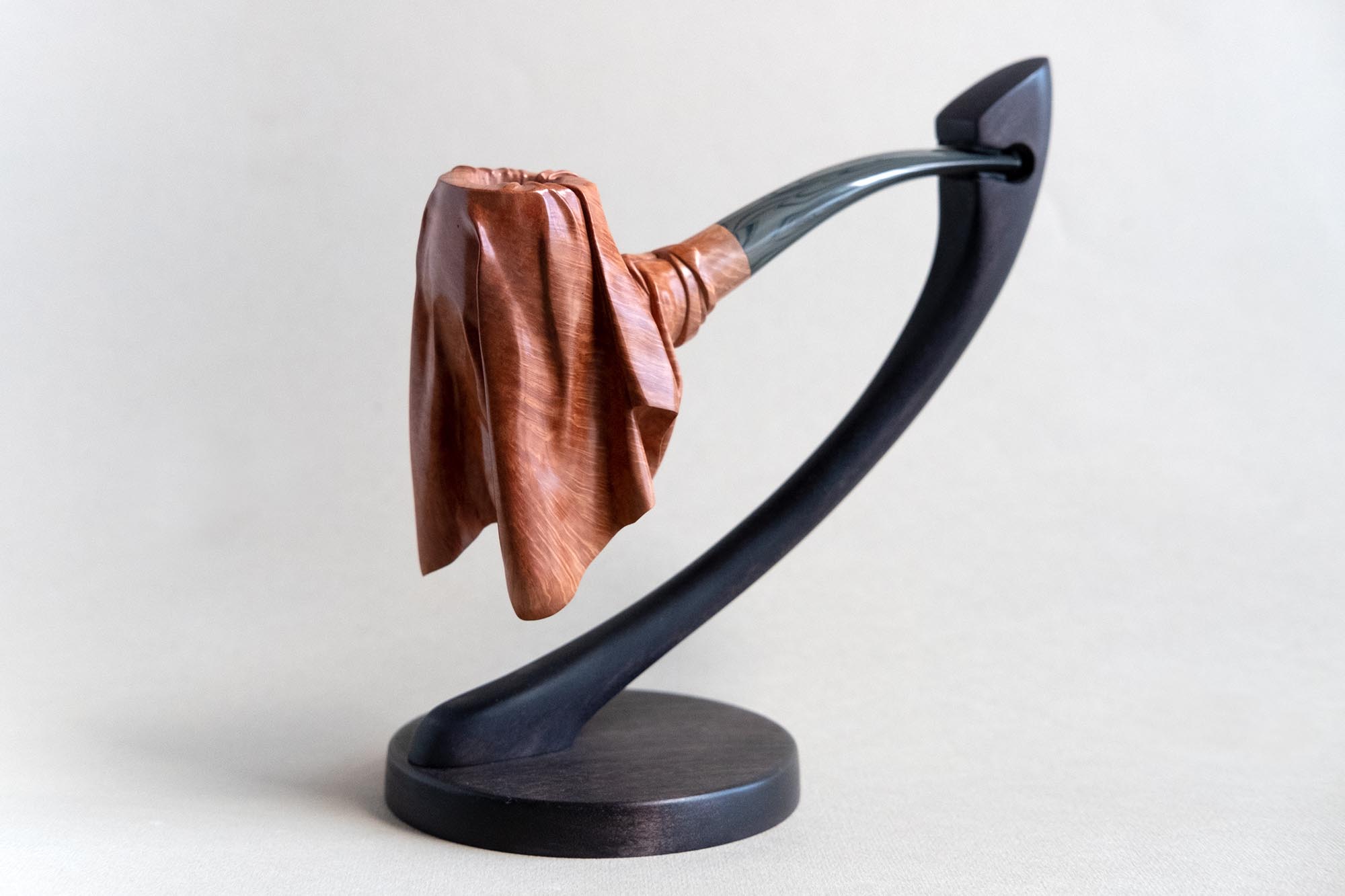
Actually, in front of knotting of the shank or concealing the head under a veil, it’s questionable if we can really dare the object beyond its function, mostly keeping it.
In order to answer this question, maybe it’s useful to mention Erwin Panofsky: times ago, the art historian wondered what makes Art, in fact, Art. What divides a stoplight from a sculpture, a sheet from a painting, a smoking pipe from another one? Panofsky tried to answer with one of his intuitions: it’s a matter of subtle balance between the object, its function and its aesthetic qualities. The reason that makes unique Arcangelo’s smoking pipes couldn’t be clearer: usefulness and beauty act in them as simultaneous forces, mixing in molds of lyrical and fine craftsmanship, so laudable to the sight as the slow burning of tobacco.
Donc oui, ceci est une pipe.
(Nicoletta De Santoli)